
Appamāda
I started my chaplaincy clinical training years ago, back in 2011. And I was living in Brooklyn and working in a very large healthcare system in New York City to begin my training.
On my very first day of my very first exposure to the hospital system and with directions to check in to my assigned unit and begin to check in with patients… I had my brand new badge, it said chaplain intern on it. And I'm walking down a unit, walking down the hallway, heading towards the nurses’ station to dutifully check in and see who they would suggest me to begin with to visit.
You know, I'm full of some nerves and kind of not really knowing what's going on. You know, there's so much orientation that I had yet to really understand or embody. I was just beginning.
So I'm walking down the hallway and as I'm walking down the hallway towards the nurses’ station, there is this nurse who's rapidly walking my direction. And I think we're just gonna pass each other and keep going, but she ends up essentially hooking her arm into mine and turning me around 180 degrees and now taking me with her.
And so... Now she and I are walking together and she starts rapidly talking in my ear. And I could barely kind of piece together what she was saying. She was putting forward so much information in such a short period of time. But the things that I was getting had to do with… this was quote unquote a drug seeking patient who was causing a lot of trouble for the nursing team, and something about him threatening them with needles, and he's in a lot of pain but he's just drug seeking, and can you just go in and calm him down.
And so she's kind of rattling these notes, you know, into my ear as she's taking me into this patient room. And I'm now entering into my first patient room. And it's a four bed, very large room. To my immediate right is an elderly man fast asleep, you know, inside of his almost closed curtain. And then there's two other empty beds in the room. And then in the far left corner, there is this bed with this man to his back to us sitting up on the bed and looking out the window, which was just a few feet ahead of him and looking out into New York City.
And so she takes me in and she says, here, you sit here. And she puts this chair, you know, kind of at the foot of his bed, she kind of plops me down in it and proceeds to leave the room.
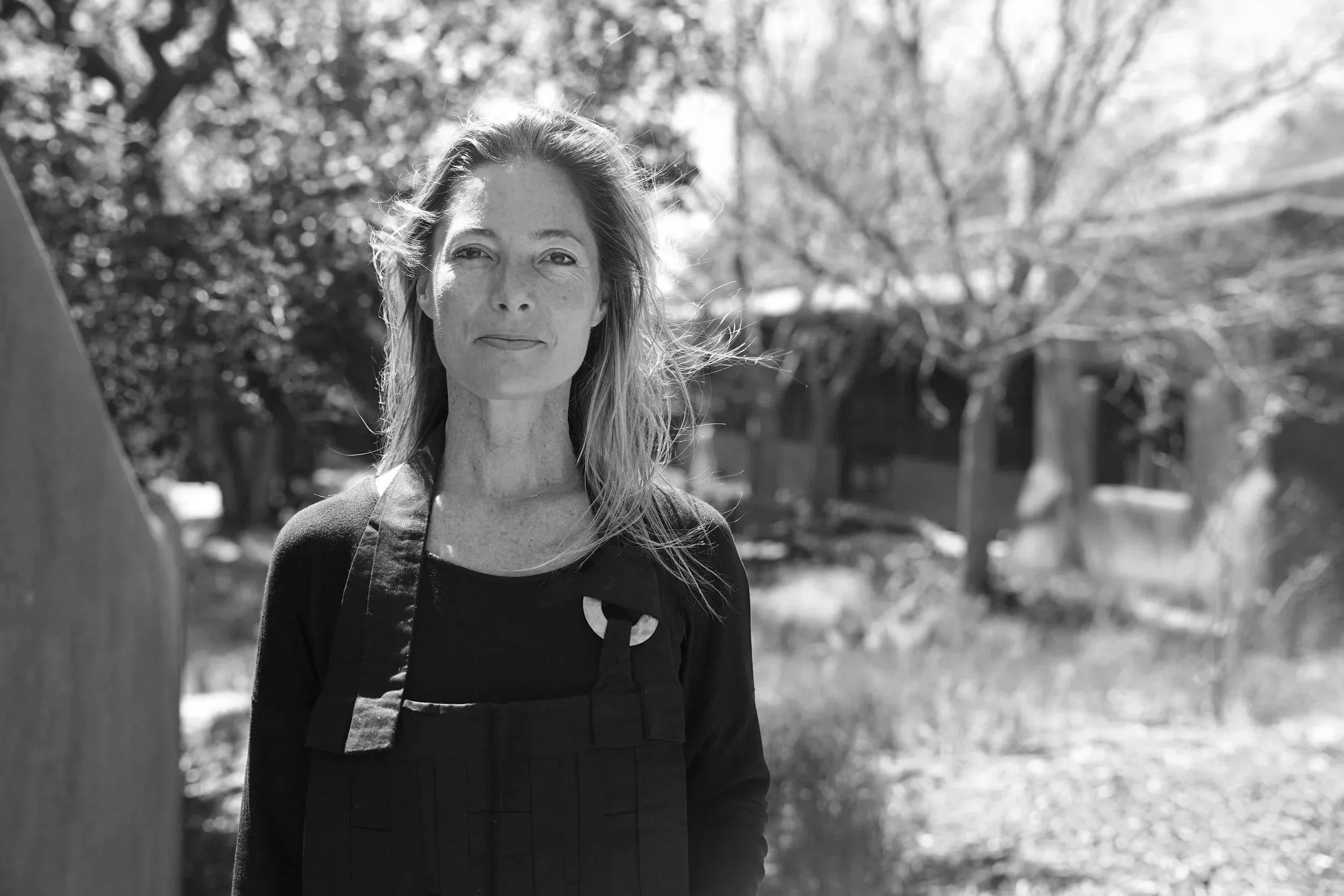
Rev. Mary Myoku Remington
So there I am, sitting in my chair, now beginning to bring into focus this being that's before me on the bed, who I immediately see is in distress. He has a heavier breathing that he's doing. He's like clammy skin, kind of sweating. His skin is puffy. He looks like he's been angry, kind of inflamed skin and coloring.
And so I'm sitting there and I'm bringing him into vision and just kind of laying my eyes upon him. And before I can say a word, he shoots up from the bed and he lunges towards the window and he grabs a needle, a sharp that the nurses had, in their haste, left behind. And he proceeds to plop himself down on the bed and he takes the needle and he lunges it towards his neck. He doesn't impale himself, but he holds the needle so it's pressing right into the base of his neck.
And all this happened within a flash, within two seconds. And now here we are, and now we're in a situation. And there's no immediate help in my midst. Nor do I have any real clue on what to do.
And my heart starts to beat. I can feel the gravity of this situation that he really could create, either a lot of harm to himself, to me, to the patient that's sleeping in the corner of the room.
An eternity goes by, and I just say, “What's your name?”
He's continuing to hold this needle right at the base of his neck and kind of annoyingly says, “James.” He's annoyed by my question. He says, James. He answered me. And I said, “Hi, James. My name is Mary.” I said, “It's nice to meet you.” And he was kind of put off, but he said, “It's nice to meet you.”
And I just kind of hung there for a minute with him. And I said, “James, what's going on right now?” His anger came out and he said, “You know, no one fucking cares about me.” He's like, “I'm just an addict from the street. Who gives a shit about me?” He's like, “And I'm in fucking pain and no one is listening to me. No one believes me.” He's like, “They should have given me my pain meds 30 minutes ago and they didn't.” He's like, “I am suffering and no one is here. Nobody. Nobody's listening.” He said, “You know, what do they care about me?”
And so, I just let all that land. I said, “Well, I'm here.” And then I said, “What else?”
And so he's still, you know, iron fist with this needle on his neck and, really this question of, no one knows what's next. But with that question, “what else?” his whole expression began to change. His hands started to soften, and his eyes started to fill with tears. And he said, “Kate died.”
And with that, you know, the hand began to fall. And I said, “Well, what happened?” He said, “She threw herself off the balcony last night. She was the last friend I had. You know, we took care of each other on the street. We kept each other safe.” And now he's starting to let the emotions come through and his grief come through, and his hand keeps kind of moving down towards his lap.
And as I'm listening, I find myself slowly getting out of my chair and walking toward him. And I offered my hand to him. And he put the needle in my hand as he continued to kind of open up about Kate. And I slowly went back to my chair and kind of, you know, quietly and gently put the needle next to me, kind of behind me.
He then proceeded to begin to lie down in his bed, and we talked about his life. You know, we talked about his broken heart. We talked about his mental health, his sense of abandonment with his family, his real helplessness. And so I just sat and bared witness and listened and felt with him. And in that process, we weren't talking about pain meds anymore. We were talking about the real pain, the deeper pain.
We concluded that meeting with a real sense of trust and that, you know, some, in my experience, real divides melted down between us. Myself too, as a middle class, very privileged person who had never had a full conversation with a man who was homeless.
In that space, we just kind of got to be two human beings together. And I left that room changed.
I often say in chaplaincy, you know, every bed—meaning every patient—is a world, an entire world. But he... one of my deepest teachers in chaplaincy. And it's such an honor to honor him by sharing this story and what he taught me about really being present, really staying soft and open when things feel potentially hard or scary, you know how to stay in kind of a flexing and receptive posture. And also that the outward expressions of anger, of harm, were just layers that were covering a very tender heart and someone who was very wounded.