
A Call to a Calling
My experience really is going to be divided into two parts, and they span just a couple years, but I think they're really both deeply meaningful, me as I reflect on my own journey in healthcare.
The first one takes place in Ontario when I was at a time in my life where I was a little bit restless in terms of my career. I had tried several careers, including a career in teaching, a career in music as an aspiring singer-songwriter, and also a brief career in advertising as a writer, but I was still looking for what I wanted to do with my life. And at this point in time, I remember the day exactly because I wasn't involved in healthcare at all, but we had friends over for supper. Suddenly, after supper, I hear this abnormal beeping going on in my house and I'd never heard this sound before and it turns – this was before the days of cell phones by the way, so this kind of activity was not frequent – anyways, my friend stood up from the table and he picked up a pager off of his belt and he told me that he was on call at the hospital as an on-call chaplain and he was needing to respond urgently to a page.
I really was kind of mesmerized by this moment in that I couldn't believe that, in a hospital down the street, someone was needing spiritual support. They had reached out to someone who was sitting at my dinner table, and he was calling back and he was going to return to the hospital to offer support.
I sat there. I just remember just being just blown away by this with what was happening.
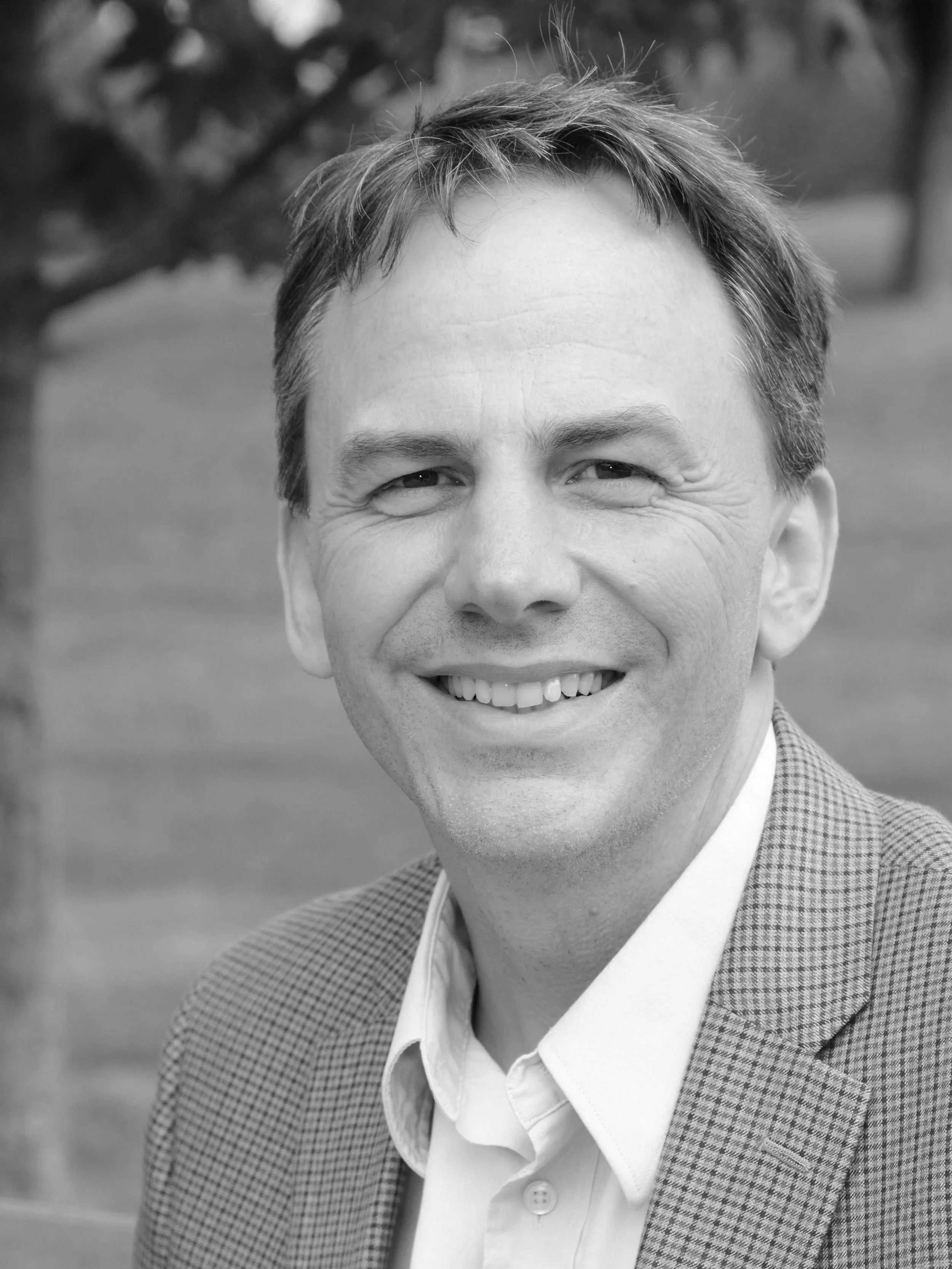
Dale Nikkel, PhD, MDiv
My friend returned to the table and said, sorry, I need to get going to the hospital. And that was the end of our little dinner party for that night. But he told us, you know, very briefly what was going on, that someone had had a heart attack at the hospital or something to that effect. And he was going to head down there urgently. They needed spiritual or religious support. And off he went.
This set my mind just swirling with this urgency that happened and this reaching out across the city to help someone in this time of need. And I suppose it called to me something, I want to say, you know, transcendently beyond myself that I was being called into a profession somehow. And a colleague shared a quote with me a few months back that, you know, really kind of dovetails with this experience that I had. And the quote is attributed to Vincent van Gogh who said, “Your profession is not what brings home your weekly paycheck. Your profession is what you are put on Earth to do with such passion and such intensity that it seems spiritual in its challenge.” I really like that. And as I look back on that time, you know, almost two decades ago, I think what was happening is this experience inspired this profession that, you know, of something that I was meant to do.
Anyways, how it all ends is that I too joined that volunteer spiritual care team as an on-call chaplain and really it set the career path forward as I, you know, went and completed the training to do that, went into supervisory training and so on. I just set the path to this.
So I guess when we talk about sacred moments, we talk about moments, experiences that are boundless, that are ultimate, that are transcendent and that have a deep interconnectedness. And I think this moment with my friend at the dinner table, the on-call chaplain, and this chance moment that the beeper, his pager, would go off right during our visit. I think it felt transcendent. It felt beyond myself. It called to ultimate parts of myself in a sense of a calling of something more and just boundless in that it is beyond just that moment in time, but it has extended now almost 20 years. You know, when I think back to that, I'm so grateful for that moment. And it just feels like a bit of a fullness of time where, you know, something was happening in a simple beep of a pager.
I think the second part of that story for me is the first time that I was on call. And this moment that I too was carrying the pager. In the day of cell phones right now, it seems really odd to be talking about the joy of a beep or that, just kind of that newness or that curiosity that what is on the other side of that pager.
But I remember the first time that my pager went off and I too was called to the hospital and I don't remember exactly the situation, but I know enough. It was an end of life kind of situation where someone was struggling spiritually or religiously, and I was coming to join them at the bedside. And here we go again, a moment of learning and I felt that same beating heart and the excitement of this is what I’m meant to be. Like I got down to that hospital so fast and was so excited to enter that room and to be present to that patient and do anything I could.
It's kind of painful, if I'm honest, to think of that as I really had little training, little experience, little theoretical knowledge. And yet, I arrived as a human and being present to this patient as a person.
I remember the book I brought to the bedside and I shudder a little bit to think of, you know, that I was bringing a prayer book or more religious prayers and did very little assessment of what the spirituality might be of that patient. I had little knowledge of spiritual assessment or safe and effective use of self and this knowledge that has come in the years since.
But I offered my little prayer in that moment with my naive excitement and that sense of eagerness to really contribute and be present to him. He was very polite, I recall, and he said, thank you. And then we began to have a human conversation about life. And he was so generous to me. And his graciousness as a patient, you know, I will always remember what made that moment sacred. It really reflected to me that, I think in health care, there's all of the apparatus of medicine, of healthcare, of the therapeutic side of things.
At the end of the day, we are humans meeting humans. And I think we all know when we're meeting someone authentic. And that day, you know, this patient, never saw him again and don't know anything about him really. But what I do remember is the graciousness of a human accepting me as this rookie on-call chaplain who knew very little.
But, you know, when all was said and done, I was able to meet him as a human and it taught me, I think, at the heart of care really is that human connection and that authenticity. And I think to link that to sacred moments once more, it's that sense, that interconnectedness of that moment that we were strangers, but there was a connection of being part of a human family there. I think that kind of transcended a simple conversation for me, and the fact that I'm talking to you about this almost 20 years later just kind of suggests the transcendence of that moment too. It was beyond that moment and, you know I treasure that, you know even today and it's an ongoing reminder of me of the importance of authenticity of humanness at the core of medicine.